Spotlights the shift from delivery centres to AI-powered innovation hubs
As Global Capability Centres (GCCs) evolve from cost-arbitrage hubs to strategic engines of innovation, they are playing a pivotal role in driving enterprise transformation, digital acceleration, and global talent integration.
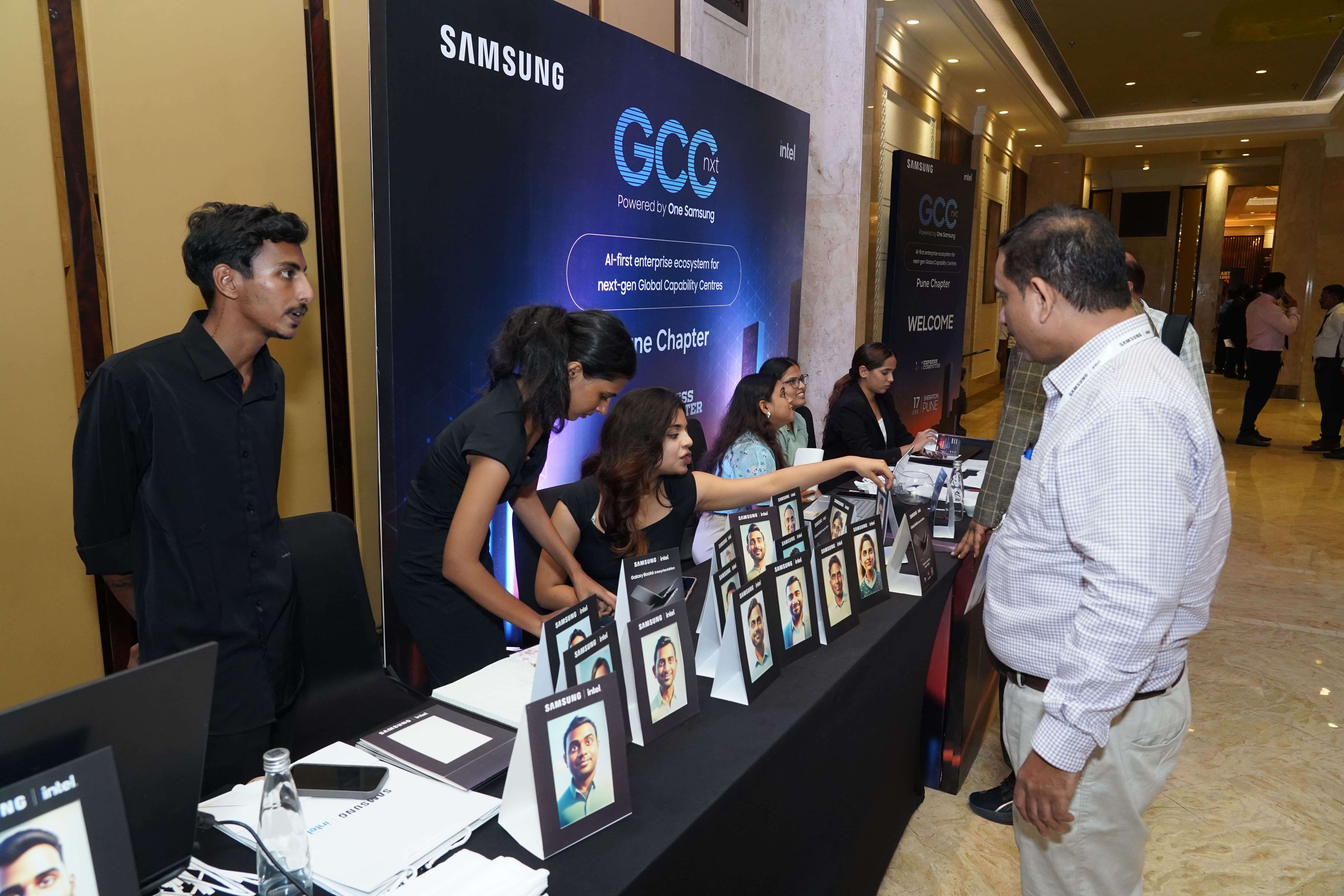
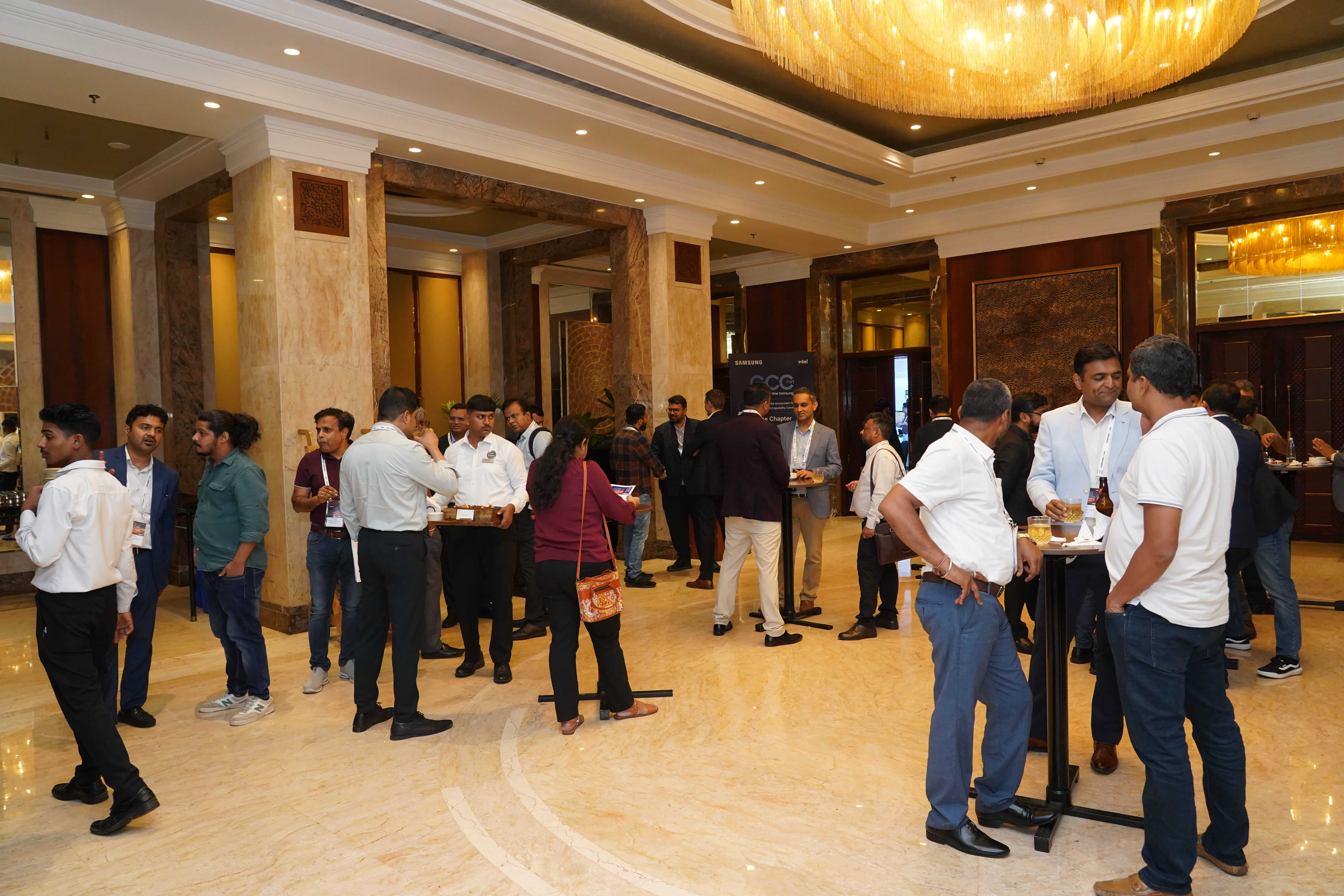
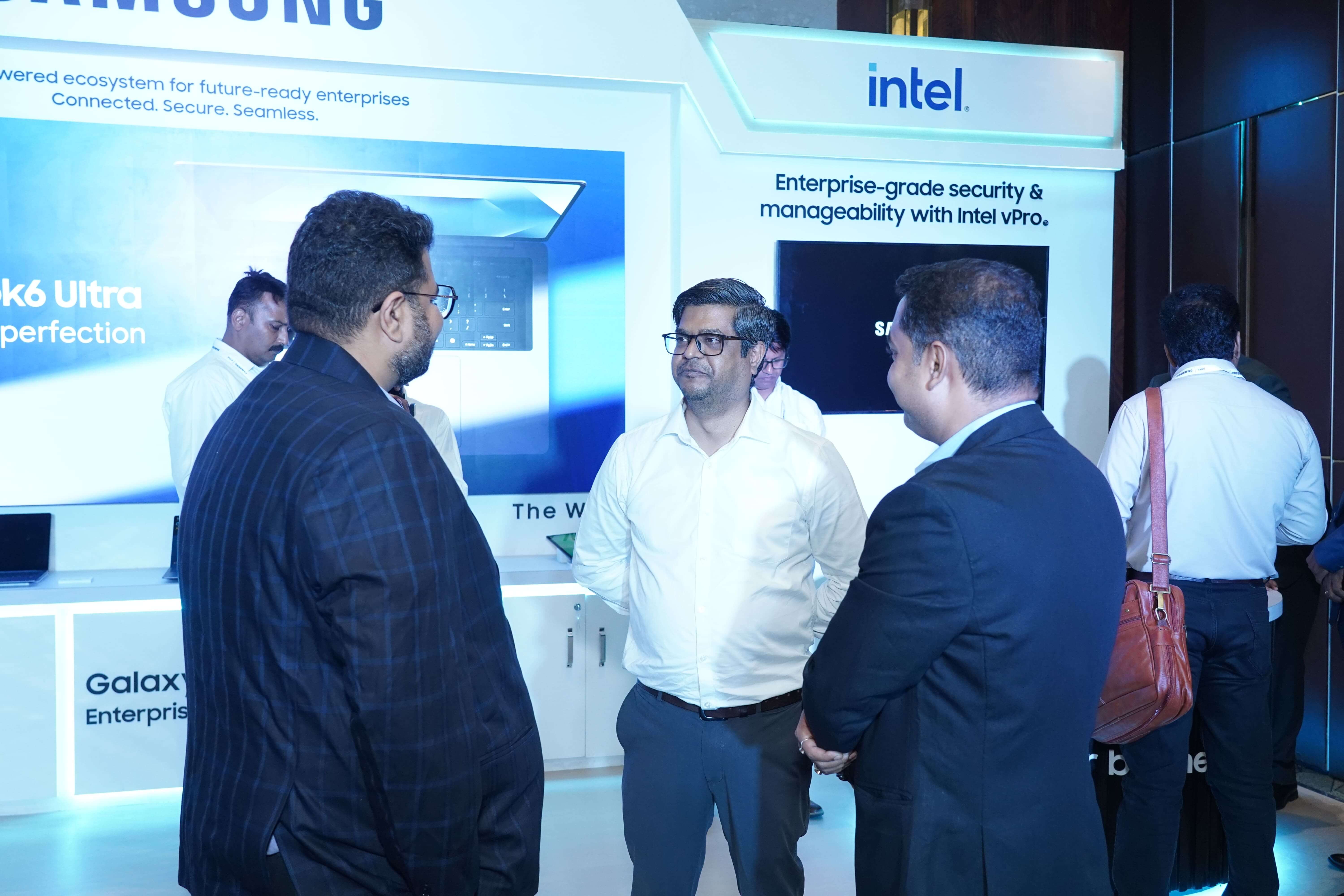
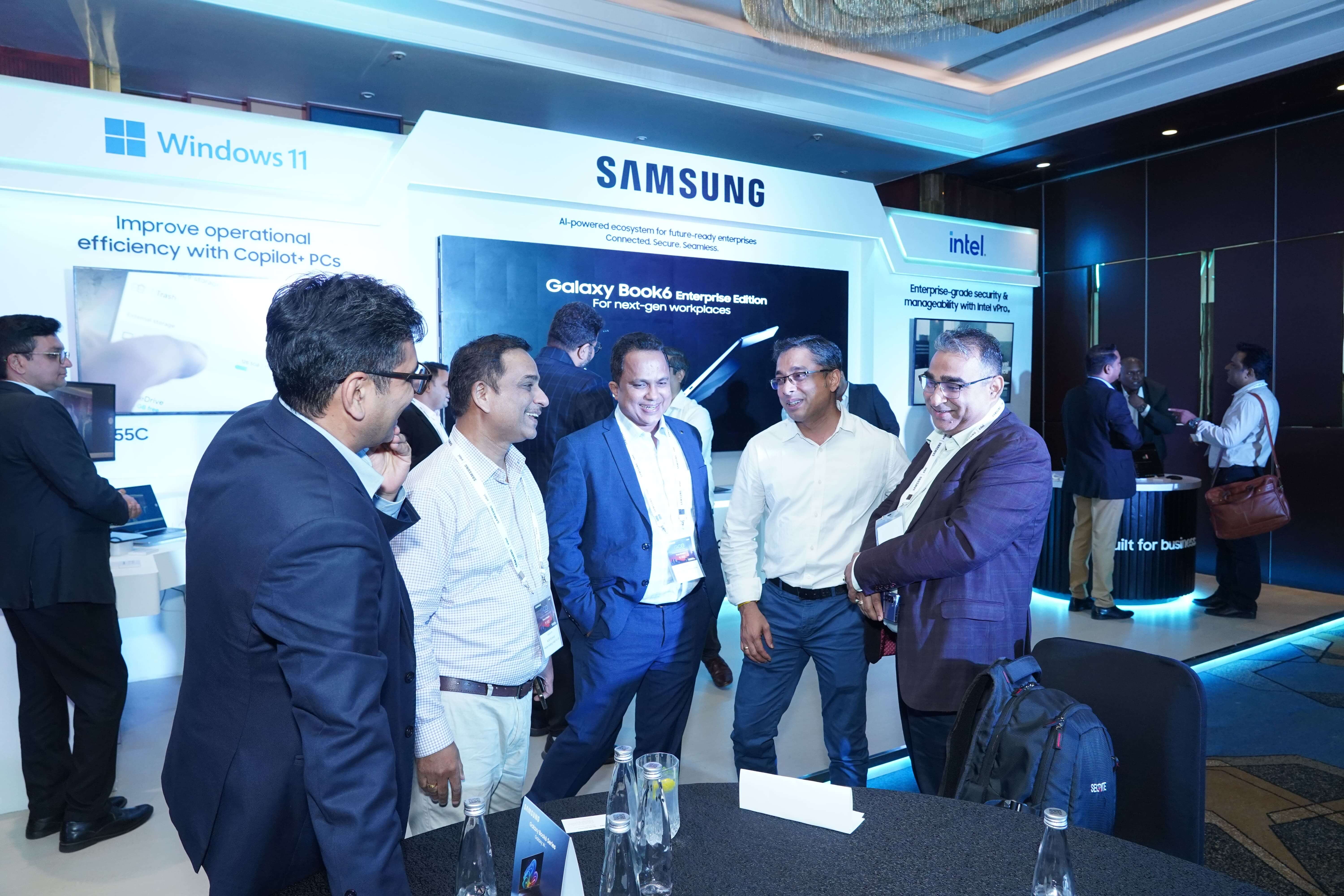
Against this backdrop, the Pune edition of GCCNxt, hosted by Express Computer in association with Samsung and Intel, brought together an esteemed gathering of enterprise leaders, technology innovators, GCC heads, and ecosystem partners to discuss the future of work, AI-driven transformation, and the expanding role of GCCs.
The evening featured a series of presentations and thought leadership sessions, offering practical insights on balancing productivity with security, flexibility with governance, and innovation with employee experience.
Together, the event created a platform for meaningful dialogue around connected enterprise ecosystems, intelligent workplaces, and the future of global capability building.
Here’s a clean, human-written version you can directly plug into your event feature/report:
The event opened with a welcome address by Suvadeep Ojha, General Manager and Head of Enterprise Sales – West at Samsung India Electronics, who set the tone by reframing the very idea of GCCs in today’s AI-led world.
Speaking in the context of the collaboration with Intel and Microsoft, Ojha emphasised that the conversation is no longer about traditional Global Capability Centres, but about what he described as “GCC Nxt.” He noted that GCCs, once considered back offices for global enterprises, have now evolved into transformation and innovation hubs, increasingly powered by AI-driven technologies.
Making the session interactive, Ojha engaged the audience to rethink their perception of Samsung beyond its well-known consumer products. While acknowledging the brand’s strong association with smartphones, tablets, and home appliances, he highlighted the company’s broader identity as a global technology conglomerate.
He pointed out that Samsung holds one of the largest patent portfolios globally, surpassing even many US-based companies, and operates an extensive global manufacturing footprint with 33 plants worldwide, including key facilities in Noida and Chennai. He also underlined the company’s strong research and development presence, with multiple R&D centres in India playing a critical role in designing products not just for the domestic market but for global deployment.
Ojha further expanded on Samsung’s diversified business landscape, drawing attention to its semiconductor arm, which manufactures chips powering AI data centres as well as consumer devices. He noted that beyond Samsung Electronics, the conglomerate spans multiple entities, including semiconductor manufacturing, insurance, finance, hospitality, and display manufacturing—many of which operate at a global scale and even support competing brands.
Through this perspective, Ojha reinforced the idea that Samsung’s role in the technology ecosystem extends far beyond end-user devices, positioning it as a key enabler of the AI-driven, innovation-led future that defines the “GCC Nxt” era.
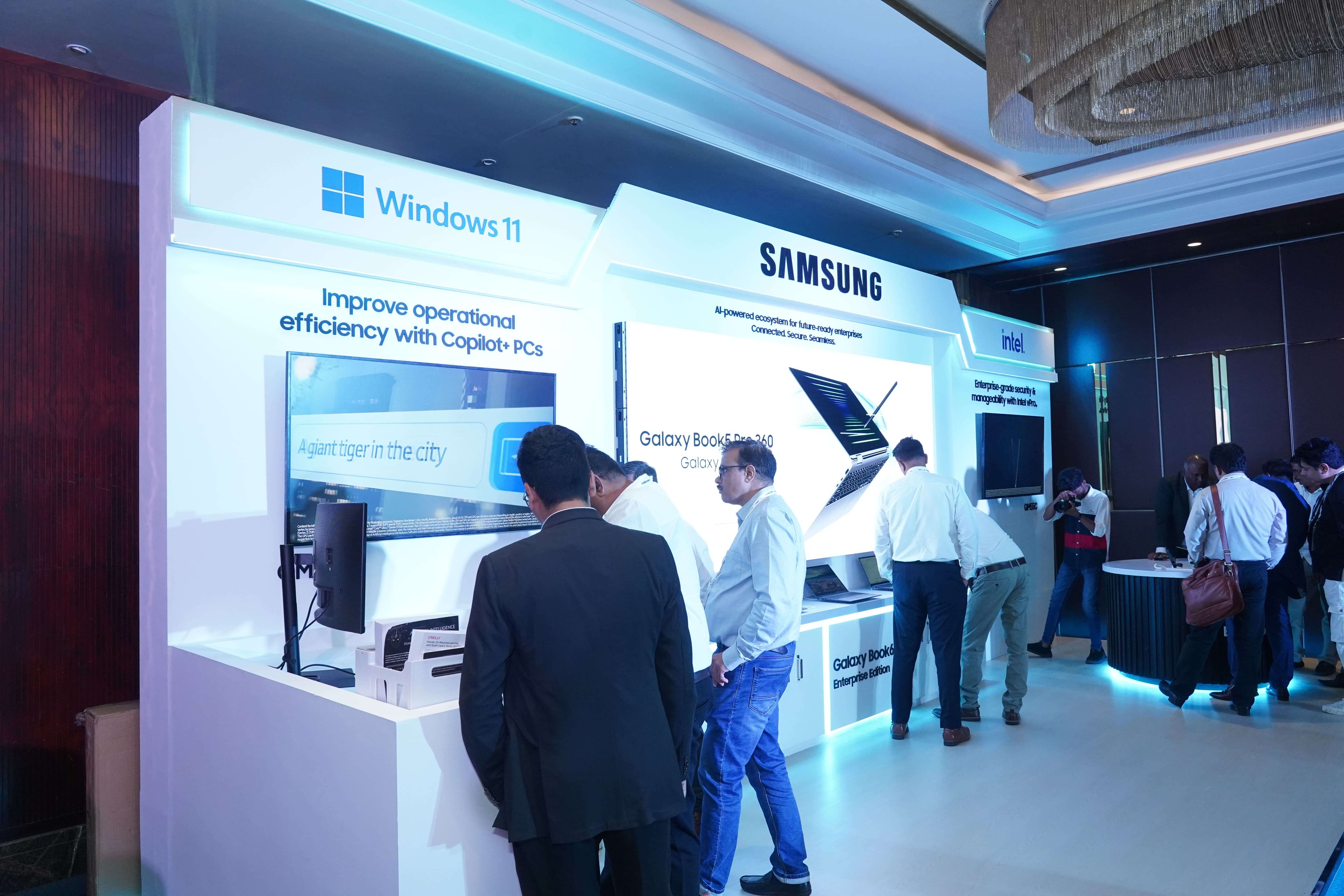
The event also featured the unveiling of the Galaxy Book6 Enterprise Edition (GB6 EE), Samsung’s enterprise-first laptop designed for modern business environments.
The Galaxy Book6 Enterprise Edition combines effortless connectivity with an elegant, professional design. Available in 14-inch and 16-inch variants, it caters to diverse work styles while maintaining a slim, balanced form factor.
With a clean keyboard layout and a refined build, the device is tailored for everyday enterprise use, enabling productivity, mobility, and seamless integration within connected workplace ecosystems.
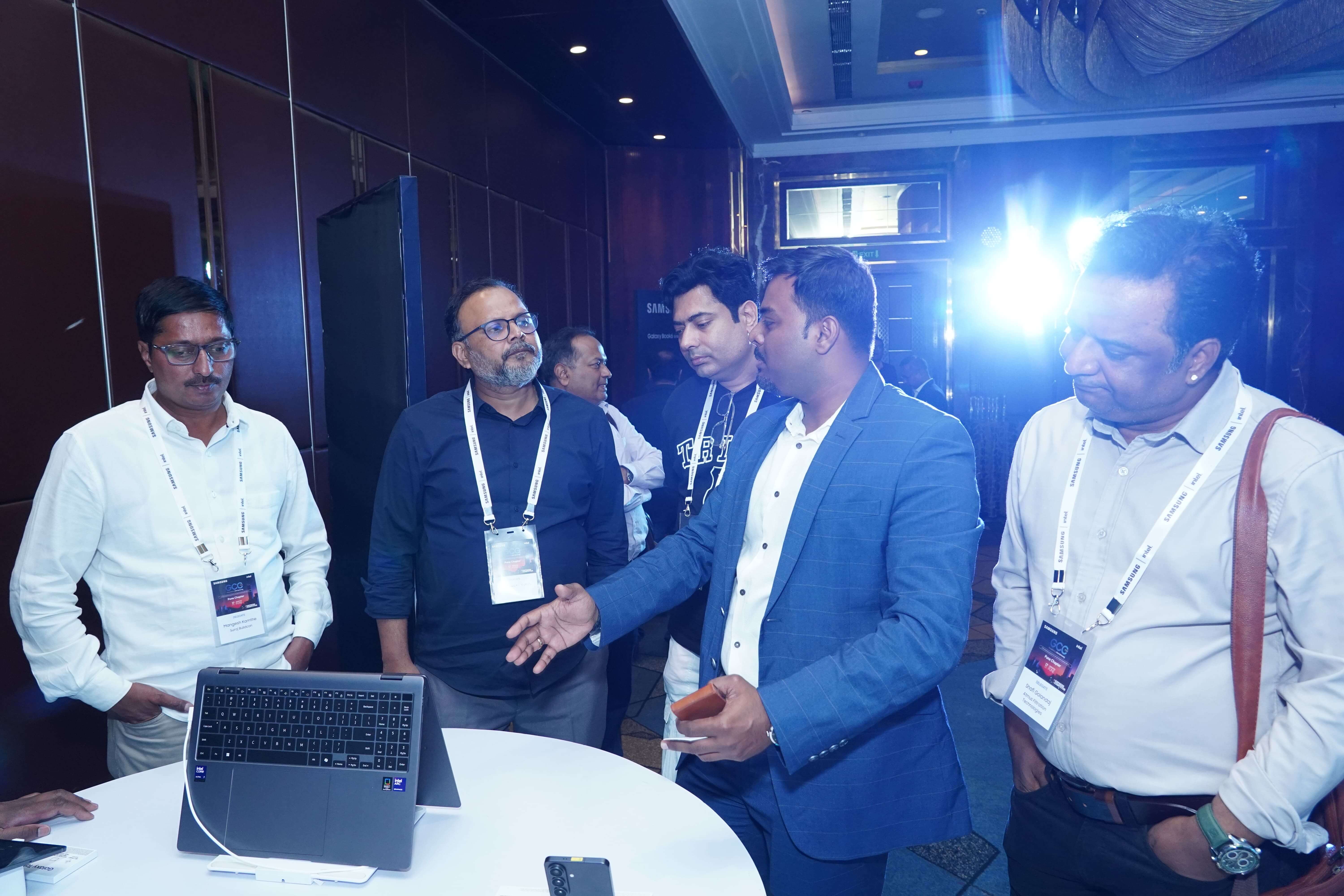
To share deeper insights on the Galaxy Book6 Enterprise Edition, Mayank Sharma, Chief Manager, Enterprise NPC Sales, Samsung India Electronics, highlighted that the device has been designed in response to evolving enterprise needs, incorporating customer feedback around performance, design, and usability.
He noted that the Galaxy Book6 Enterprise Edition features a sleek yet durable design with full port availability, and comes in 14-inch and 16-inch variants, offering flexibility without significant differences in weight. The inclusion of a larger display and numeric keypad enhances productivity for enterprise users.
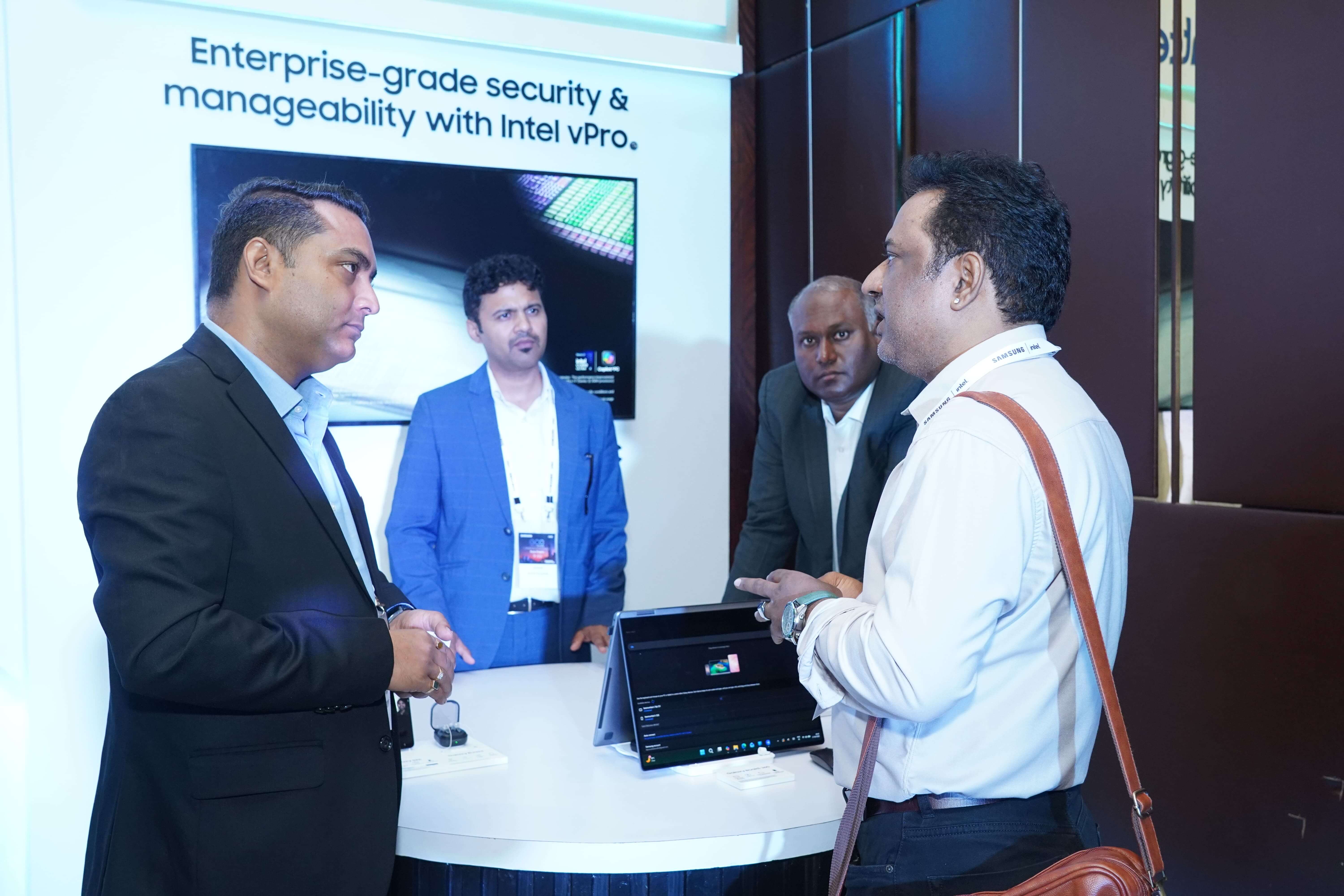
Sharma also emphasised the laptop’s AI-powered capabilities, powered by the latest Intel processors with high NPU performance, enabling faster and more efficient workflows. Built on the Galaxy connected ecosystem, the device ensures seamless integration across platforms.
On the security front, he highlighted Samsung Knox as an added hardware-level protection layer, along with features such as Samsung Find and Windows Hello, ensuring robust, multi-layered security for enterprise and GCC environments.
Sharing his perspective, Ashutosh Sharma, Country Director and Head of India Development Centre, Checkmarx, spoke about building a GCC from the ground up with a phased, incremental approach. He highlighted that the centre initially focused on product engineering before expanding into functions such as customer success, program management, HR, and legal.
He noted that one of the early challenges was attracting niche cybersecurity talent. To address this, the organisation actively engaged with universities and built a strong talent pipeline. Starting from scratch in Pune, the centre has since grown to around 200 employees and continues to scale.
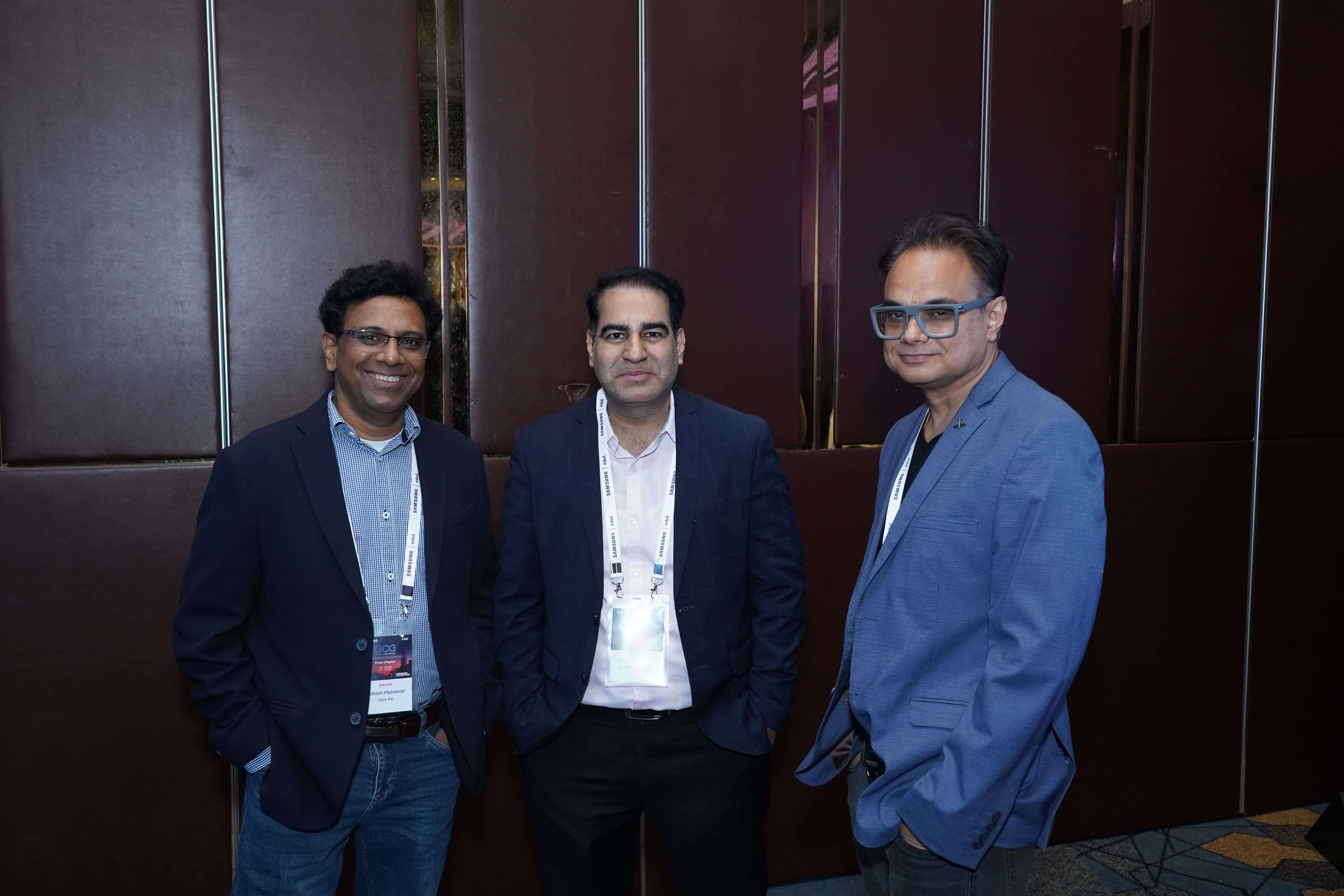
Adding to this, Kailash Maisekar, Country Director – India GCC, Idox PLC, emphasised the shift in GCCs from being cost-driven, headcount-focused models to value-driven innovation hubs. He highlighted that the focus today is on improving productivity and delivering greater customer value rather than just increasing workforce size.
He also pointed out that the adoption of AI has significantly accelerated product development cycles, reducing feature deployment timelines from several months to nearly half. This, he said, reflects how AI-led workplaces are enabling faster time-to-market and more efficient engineering outcomes. Speaking at the session, Mayank Sharma, Chief Manager, Enterprise NPC Sales, Samsung India Electronics, highlighted the evolution of Global Capability Centres (GCCs) in India from cost-arbitrage hubs to innovation-led centres building products and solutions for global markets.
He emphasised the growing importance of connected device ecosystems across multiple form factors, along with the increasing role of on-device (edge) AI in enabling real-time enterprise use cases.
Adding to this, Rohit Srivastava, Chief Manager, Enterprise Pre-Sales (West), Samsung India Electronics, spoke about the Samsung connected ecosystem and how integrated platforms and devices are enabling seamless, cross-device enterprise experiences.
Overall, the session underscored the need for GCCs to integrate edge AI, secure platforms, and connected ecosystems into their digital transformation strategies.
Speaking at the session, Mayank Sharma, Android Enterprise Partnerships, APAC, Google, highlighted the evolution of Global Capability Centres (GCCs) in India—from cost-arbitrage hubs to innovation-led centres building products for global markets.
He emphasised the growing importance of connected device ecosystems powered by Android across multiple form factors, along with the rising role of on-device (edge) AI in enabling real-time enterprise use cases.
Sharma also noted that seamless, cross-device experiences—supported by AI platforms like Gemini and strong partnerships with Samsung—are shaping the future of enterprise mobility and intelligent workplaces.
Overall, he underscored the need for GCCs to integrate edge AI, secure platforms, and connected ecosystems into their digital transformation strategies.
Speaking at the event, Hiren Gala, State Business Manager – Maharashtra, Intel, highlighted the rapid growth of AI adoption and the increasing importance of AI PCs in enterprise environments. He emphasized that AI adoption is no longer optional and requires close collaboration between hardware providers and software ecosystem partners.
Gala noted that energy efficiency is emerging as a critical factor as AI workloads become more resource-intensive. He showcased Intel’s latest Panther Lake processor, built on the Intel 18A process node, which is designed to deliver improved performance while reducing power consumption. He also outlined Intel’s AI PC roadmap, spanning Meteor Lake, Lunar Lake, and Panther Lake, and explained how dedicated Neural Processing Units (NPUs) enable AI workloads to run efficiently without impacting CPU and GPU performance.
According to Gala, global spending on AI infrastructure is projected to grow from $234 billion today to $514 billion by 2027, driven by increasing investments in machine learning, generative AI, and analytics workloads.
GCC Leadership Spotlight
The event also introduced the GCC Leadership Spotlight for the first time, a dedicated segment where GCC leaders shared focused insights into their centres’ growth journeys, IT priorities, and innovation-led transformation strategies.
The session was moderated by Sayantan Mondal, Correspondent, Express Computer, The Indian Express Group.
The speakers included Kailash Maisekar, Country Director – India GCC, Idox PLC; and Ashutosh Sharma, Country Director - Head of India Development Centre, Checkmarx.
Sharing his perspective, Ashutosh Sharma, spoke about building a GCC from the ground up with a phased, incremental approach. He highlighted that the centre initially focused on product engineering before expanding into functions such as customer success, program management, HR, and legal.
He noted that one of the early challenges was attracting niche cybersecurity talent. To address this, the organisation actively engaged with universities and built a strong talent pipeline. Starting from scratch in Pune, the centre has since grown to around 200 employees and continues to scale.
Adding to this, Kailash Maisekar, emphasised the shift in GCCs from being cost-driven, headcount-focused models to value-driven innovation hubs. He highlighted that the focus today is on improving productivity and delivering greater customer value rather than just increasing workforce size.
He also pointed out that the adoption of AI has significantly accelerated product development cycles, reducing feature deployment timelines from several months to nearly half. This, he said, reflects how AI-led workplaces are enabling faster time-to-market and more efficient engineering outcomes.
As GCCs transition into innovation-led hubs, the emphasis is firmly on AI, connected ecosystems, and measurable business value. GCC Nxt Pune reflected this shift, bringing together the ideas and partnerships shaping the future of enterprise.

Express Computer is one of India’s most respected IT media brands and has been in publication for 36 years. We cover trends and developments in e-Governance and enterprise technology in its entirety; including processors, storage, networking, wireless, business applications, Cloud computing, analytics, green initiatives and insights that help companies make the most of their ICT investments. The Indian Express (P) Limited is one of India’s largest media conglomerates with a wide selection of publications and a network of offices. Today, with 32 national editions, 13 publication centers and 4 language dailies we reach over 19 million people daily.
The Indian Express (P) Limited publications have stood for excellence in journalism for over 94 years. Our publications include The Indian Express, The Financial Express, Loksatta, Lokprabha and Jansatta.